Malaysia's Frozen Food Industry in 2027: Trends, Demand Drivers and Opportunities for F&B Businesses
The frozen food Malaysia market is moving from a back-up option to a core supply strategy for many kitchens and retailers.
Industry research values Malaysia’s frozen convenience foods market at about USD 2.0 billion in 2025, with growth forecast through 2034.
For F&B operators, that growth brings a practical question: which frozen categories will matter most in 2027, and why?
This guide covers the numbers, the demand drivers behind them, and where caterers, cafés, restaurants and retailers can find real opportunities.
Frozen Food Malaysia Market at a Glance
According to The Report Cubes, Malaysia’s frozen convenience foods market is projected to reach USD 3.47 billion by 2034, at a 6.3% CAGR from 2026.
Globally, Mordor Intelligence forecasts the frozen food market to reach USD 414.55 billion by 2031, growing at 4.87% a year.
Mordor also names Asia-Pacific as the fastest-expanding regional opportunity.
It links this to urbanisation, rising incomes, better retail networks and wider freezer ownership.
Indicator (Malaysia)
Figure
What it means for B2B buyers
Market size, 2025
~USD 2.0 billion
A sizeable, established category
Forecast CAGR, 2026–2034
6.3%
Steady, not speculative, growth
Frozen ready meals share
~34%
Largest product segment
Frozen snacks & bakery share
~29%
Strong pull for finger food and sides
Supermarkets & hypermarkets
~46% of revenue
Modern trade still leads
Peninsular Malaysia
~72% of revenue
Demand is concentrated in urban west coast
Source: The Report Cubes, Malaysia Frozen Convenience Foods Market report (2025 base year). Figures may be revised by the publisher.
Key Demand Drivers for Frozen Food in Malaysia
1. Urban, time-poor households
The Report Cubes notes that more than 65% of Malaysians live in urban areas, and about 58% of the workforce is in dual-income households.
Less time to cook at home means more demand for quick meals, both on supermarket shelves and through cafés, food courts and delivery menus.
Each of those channels needs dependable, ready-to-cook stock that staff can prepare in minutes.
2. Price and flavour still decide the purchase
Innova Market Insights reports that price and flavour are the main purchase drivers across most food and beverage categories in Malaysia.
Frozen products help on both fronts: portion control limits waste, and consistent recipes keep flavour the same from batch to batch.
3. Halal certification as a trust signal
Innova also lists halal certification among the most important purchase factors, and calls it crucial for building consumer trust.
For foodservice buyers, a supplier with recognisedhalal certification removes a major compliance risk from the menu.
4. Shelf life during inflation
Mordor Intelligence says buyers lean on frozen food during inflation because of stable pricing, longer shelf life and lower spoilage risk.
For kitchens, that means fewer write-offs from unsold fresh stock and more predictable monthly purchasing.
Advances such as individual quick freezing (IQF) also improve texture and flavour retention, which narrows the quality gap with fresh.
Frozen Food Malaysia Trends to Watch in 2027
Based on 2025–2026 research, these are the trends most likely to shape buying decisions over the next year:
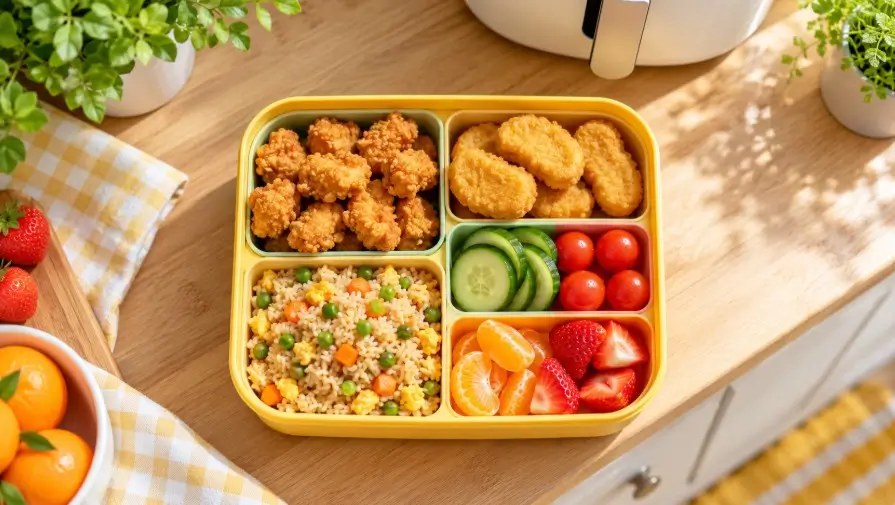
Air-fryer-ready products: Nestlé cites an MCR study showing 42% of Malaysian households own an air fryer. Ranges such asair-fryer-ready frozen snacks are built for this.
Local-flavour convenience: Innova suggests affordable ready meals with familiar local flavours, such as nasi lemak-inspired rice bowls.
Clean-label claims: Innova highlights real ingredients and no artificial flavours or colours as growing purchase cues.
Online growth: The Report Cubes reports online frozen food sales growing at more than 10% a year.
Halal-certified global brands: Lamb Weston entered Malaysian retail in January 2026 with halal-certified fries for air fryers and ovens.
Opportunities for F&B Businesses
The data points to clear openings for operators who plan their frozen supply strategically rather than buying only when fresh stock runs short.
Restaurants, cafés and caterers
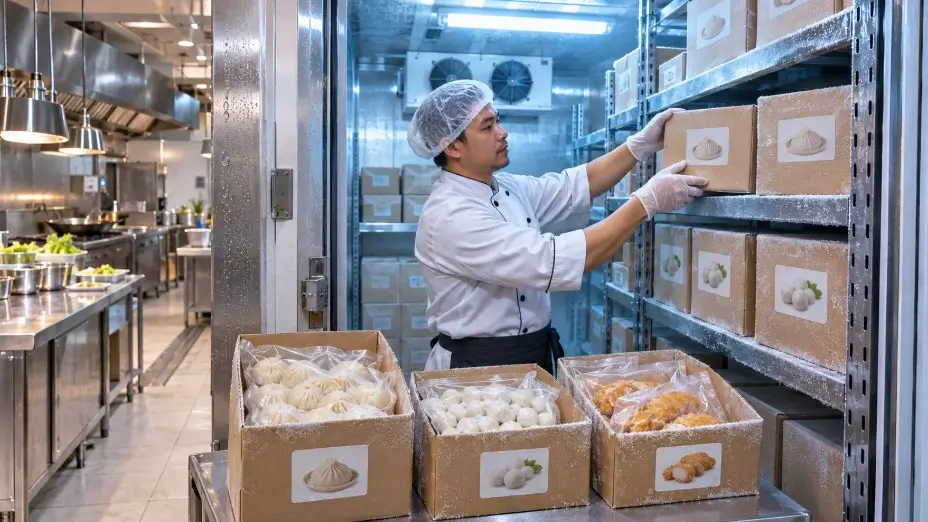
Frozen dim sum, hotpot items and breaded chicken let kitchens extend menus without adding prep staff or specialised skills.
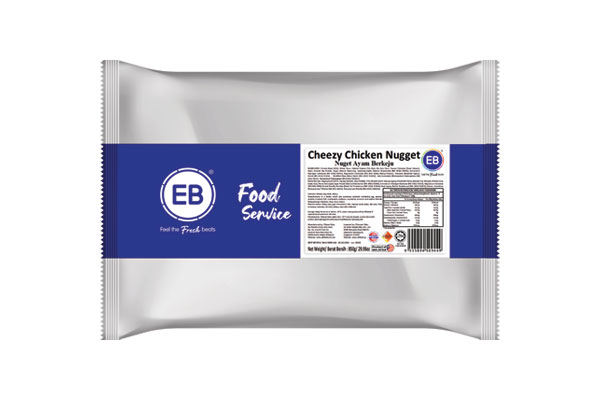
Made with tender chicken breast and stuffed with cheese cubes, the Cheezy Chicken Nugget is coated in a light and crispy tempura batter. Simply fry until golden brown and enjoy with your favourite condiments!
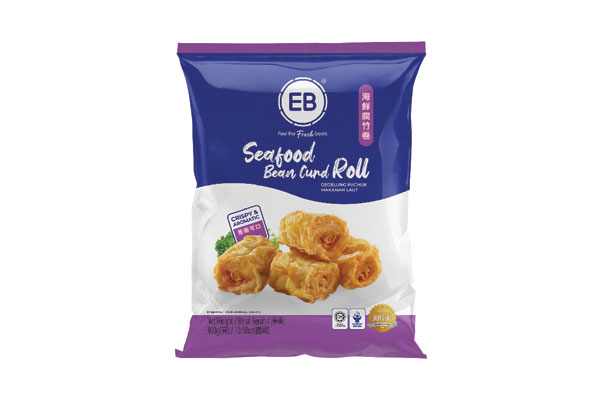
Hotpot picks all in one! Consists of Kyoto Yuba, Seafood Bean Curd Roll, Flower Cheese Tofu, Fish Roe Lucky Bag and Fish Sandwich. Comes with savoury Mushroom soup that is hearty and warming.
Hotpot picks all in one! Consists of Kyoto Yuba, Seafood Bean Curd Roll, Flower Cheese Tofu, Fish Roe Lucky Bag and Fish Sandwich. Comes with fiery Mala paste which is perfect for spicy lovers!
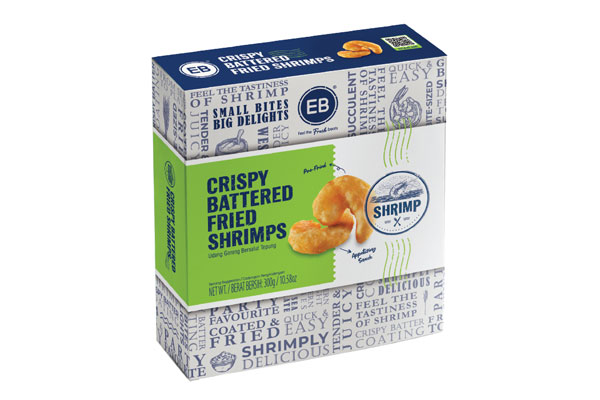
Made from Vannamei shrimp and coated with our special- made batter. It’s super crispy, springy and flavourful! It tastes great on its own and also goes well with any of your favourite dipping sauces!
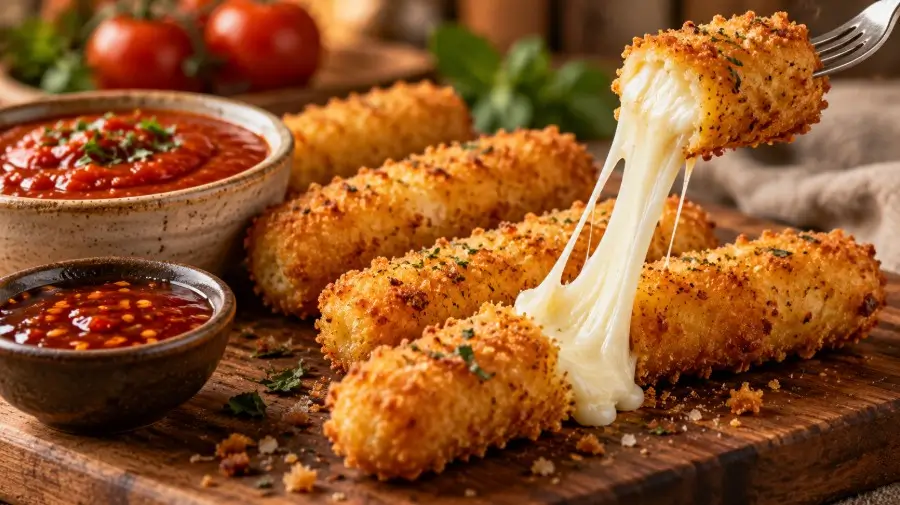
Our cheese sticks are made from real cheese and coated with a golden crispy breading. It can be fried or baked in minutes, which will make you want more of these tasty bites!
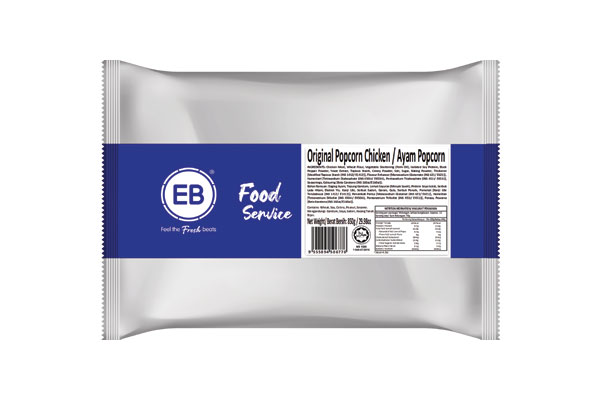
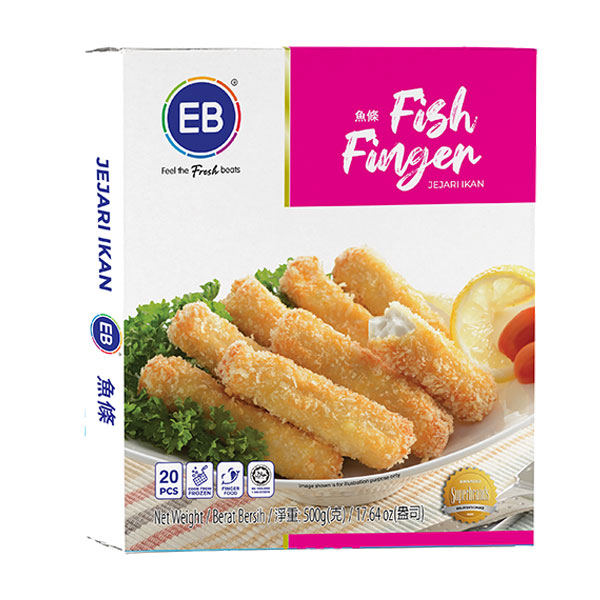
The crispy and flavourful fingers are lightly seasoned and coated with our special-made batter. It’s the perfect party snack that is loved by people of all ages!
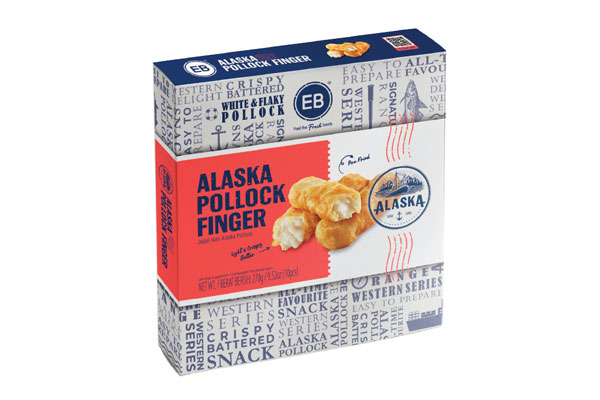
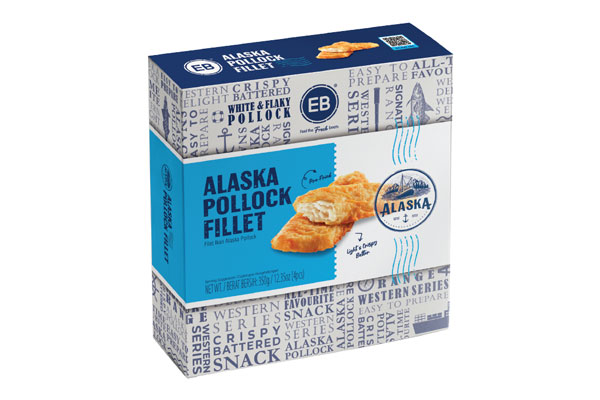
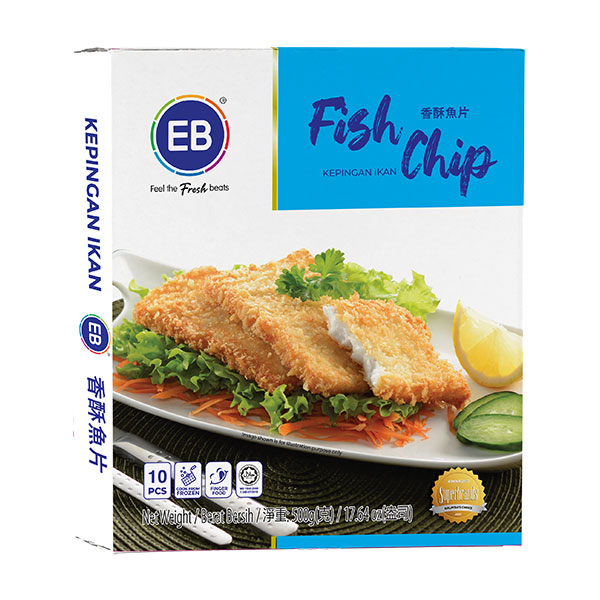
A family favourite that is made from wild Alaska pollock and coated with crispy batter. It offers a tender and flaky texture that you’ll be hooked on. Best served with chips!
Made from juicy breast meat and seasoned with a burst of tangy Tomyam
flavour. It’s crispy, succulent and unstoppable! Perfect for those who fancy a fiery twist in their
dishes!
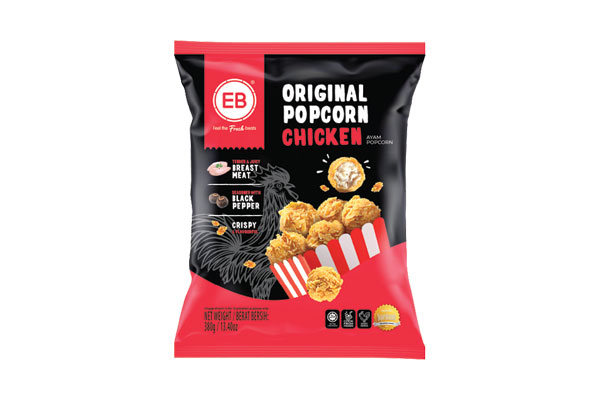
Made from juicy breast meat and seasoned with black pepper. The bite-sized
pieces made a great snack for all. Its crispiness and tenderness will keep you coming back for more!
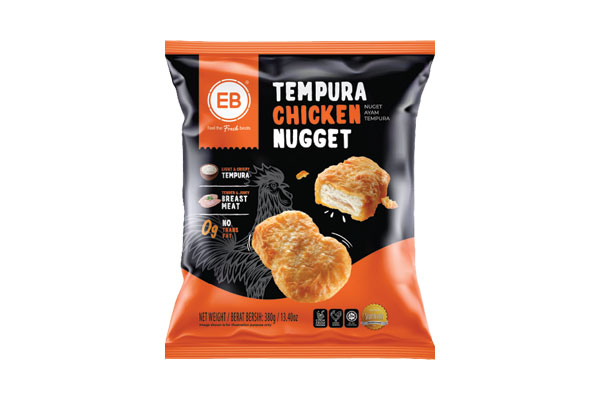
Made from chicken breast meat and coated with tempura batter. Juicy on the inside, light and crispy on the outside! Great to share with family and friends on any occasion!
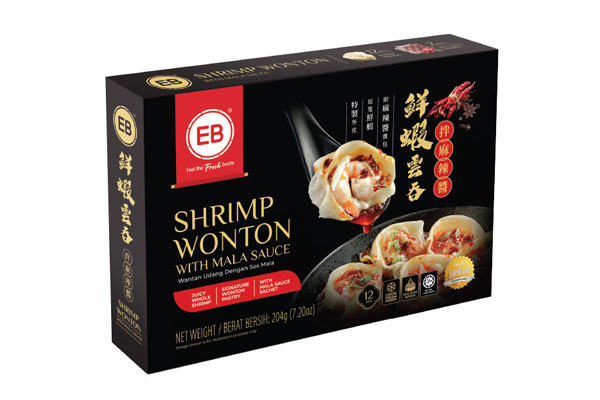
Made with juicy whole shrimp
and wrapped in our signature
wonton pastry. Spoon over the
ready-made flaming Mala
sauce and you’ll be indulged in
the spicy and numbing
sensation!
Filling with juicy whole shrimp and wrapped in signature wonton pastry. It comes together with special made mushroom seasoning sachet. Tenderness & Juicy guaranteed!
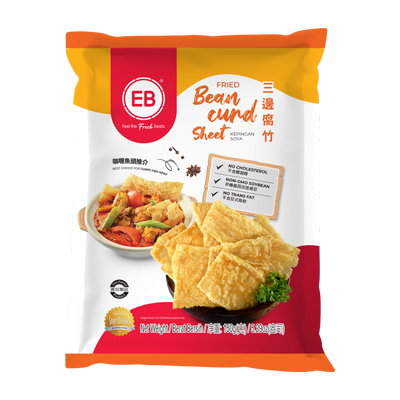
The thin bean curd sheet is deep-fried to perfection. It’s super crispy and filled with soybean aroma in every bite. Ideal for food pairings such as hotpot, curry or any of your liking!
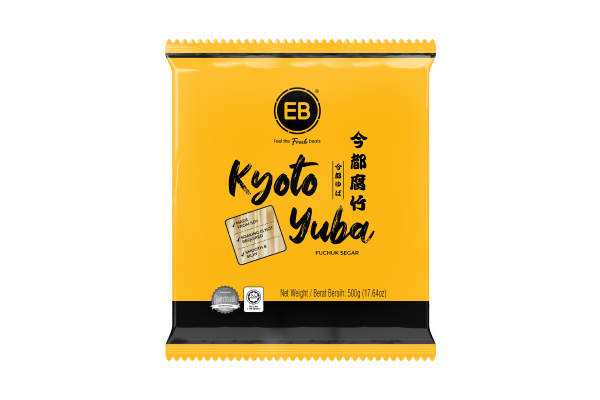
Rich in soy aroma which brings out the authentic taste of Japanese cuisine. Limitless culinary possibility, suitable to pair with any dishes or just eating it plain. Soaking is not required, easy and convenient!
Packed with flying fish roe, surimi and stuffed in a lucky bag-shaped tofu puff. It’s plump and juicy, with a touch of soy aroma. Enjoy the bursting of audible “pop” in your mouth when you bite off!
Made by premium crispy breadcrumbs and filled with chunk of fresh prawn meat which resulted in a taste of deeply layered flavors. Having one bite brings you a multitude of texture experience.
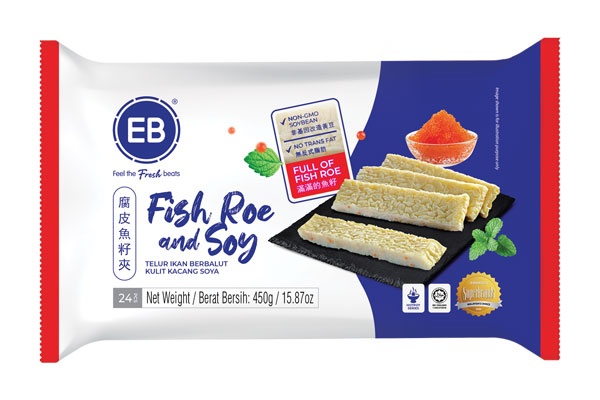
Fish Roe & Soy
Weight / pkt : 450gm
Pkt / Ctn : 12
m3 / Ctn : 0.0135
Barcode : 95558 9450 5281
Springy surimi mixed with popping fish roe that creates a savoury yet refreshing experience. Pre-cut into square shapes for your convenience!
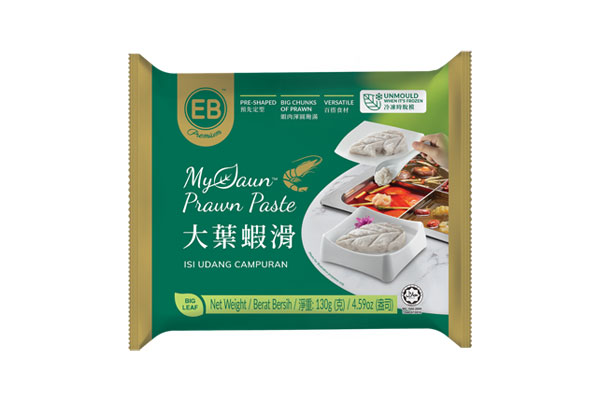
MY Daun Prawn Paste (Big Leaf)
Weight / pkt : 130gm
Pkt / Ctn : 20
m3 / Ctn : 0.0127
Barcode : 95558 9450 3492
Made from big chunk of high quality prawn meat. Every bite gives a smooth and light springy texture with preserved prawn taste. It can be a dish by itself, complement ingredients, or blend into versatile food.
Made from big chunk of high quality prawn meat. Every bite gives a smooth and light springy texture with preserved prawn taste. It can be a dish by itself, complement ingredients, or blend into versatile food.
Deliciously convenient fantastic steamboat combination. Come with Cheese Tofu, Fish Sandwich, Seafood Tofu, Fish Ball,and Seafood Beancurd Roll, 5 types of popular premium quality steamboat dishes for you to have all at once!
Made from surimi and mixed with fish roe. It’s soft, smooth and springy! The iconic ‘pop’ from each bite will burst with flavour, making you go after one another!
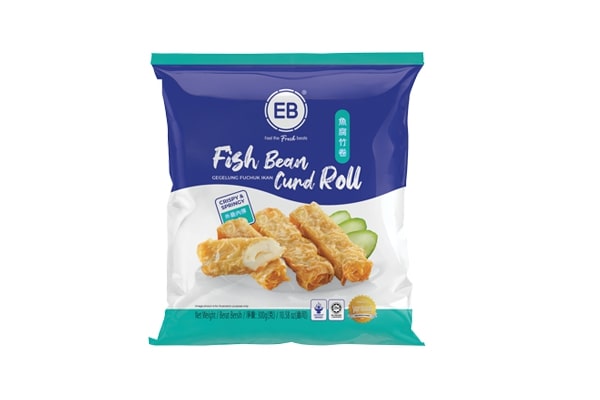
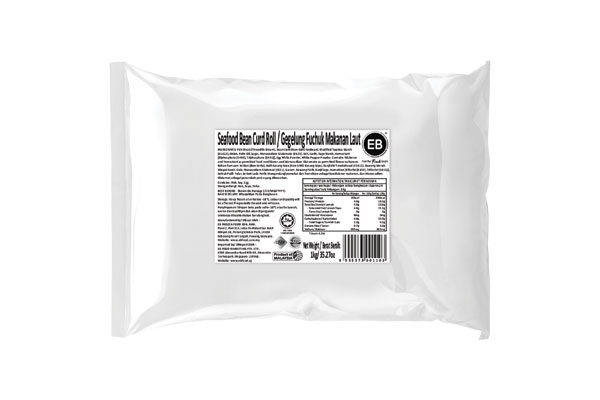
Made by scrumptious surimi blend with premium bean curd skin that wrapped in a roll. Taste so flavoursome and aromatic that perfectly match with steamboat.
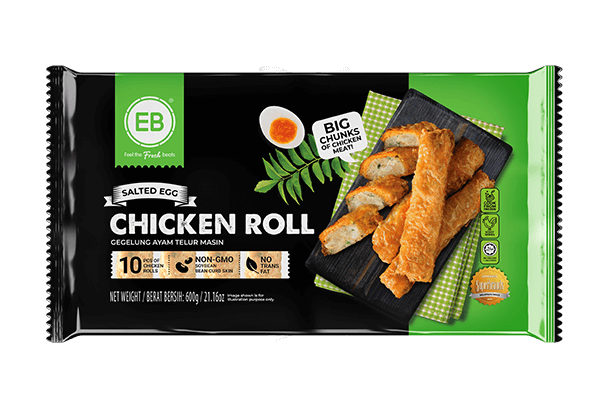
Salted egg stuffed in clean diced chicken meat and wrapped with crispy bean curd skin. It tastes rich, savoury and tender. Best to spice up your daily meals!
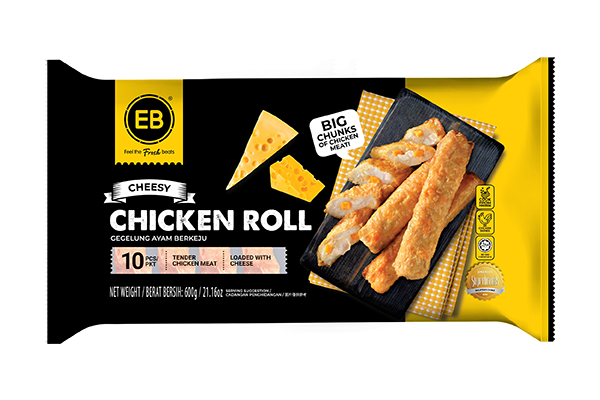
Gooey cheese stuffed in clean diced chicken meat and wrapped with crispy bean curd skin. It’s super juicy and tender. This magic combo is ideal for party snacks or a hearty meal for your family!
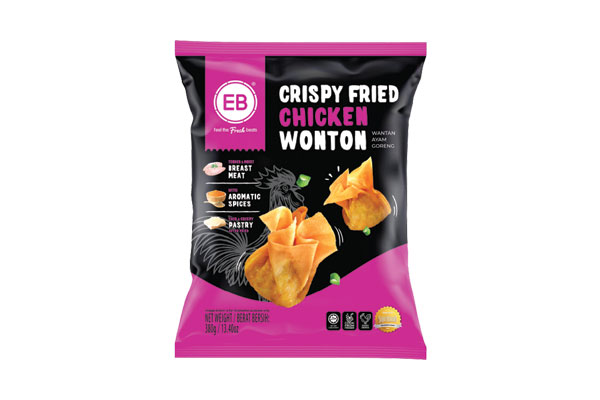
Tender wrappers stuffed with premium chicken meat, simply deep fried to crispy golden brown perfection. Crispy and crunchy bring every bite irresistibly delicious.
Made from clean diced chicken meat, seasoned with aromatic spices and wrapped with bean curd skin. Succulent, tender and packed with soy aroma. A treat for both kids and adults alike!
The cheese filling inside will simply melt within your mouth and the crispy coat give you an amazing bite. It’s a perfect appetizer for parties or great as snacks!
Crispy golden breadcrumb filled with premium fish meat. Super crispy from outside and juicy soft from inside. An easy yet delicious finger food that empty plates guaranteed!
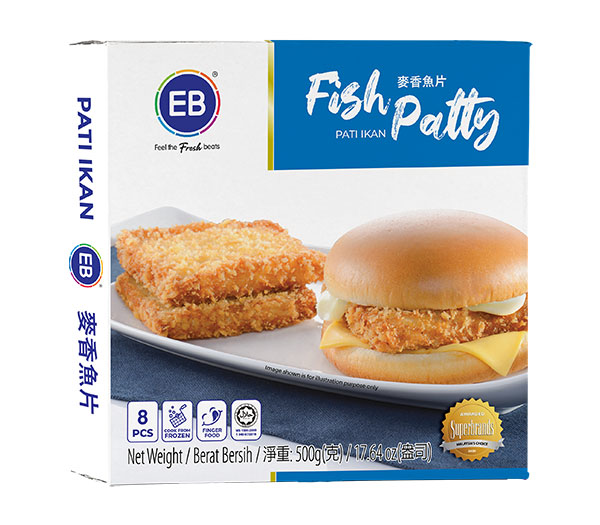
Made by quality fish meat and premium breadcrumbs, tastes crispy and delicious! It can be deep-fried, baked in the oven or grilled!
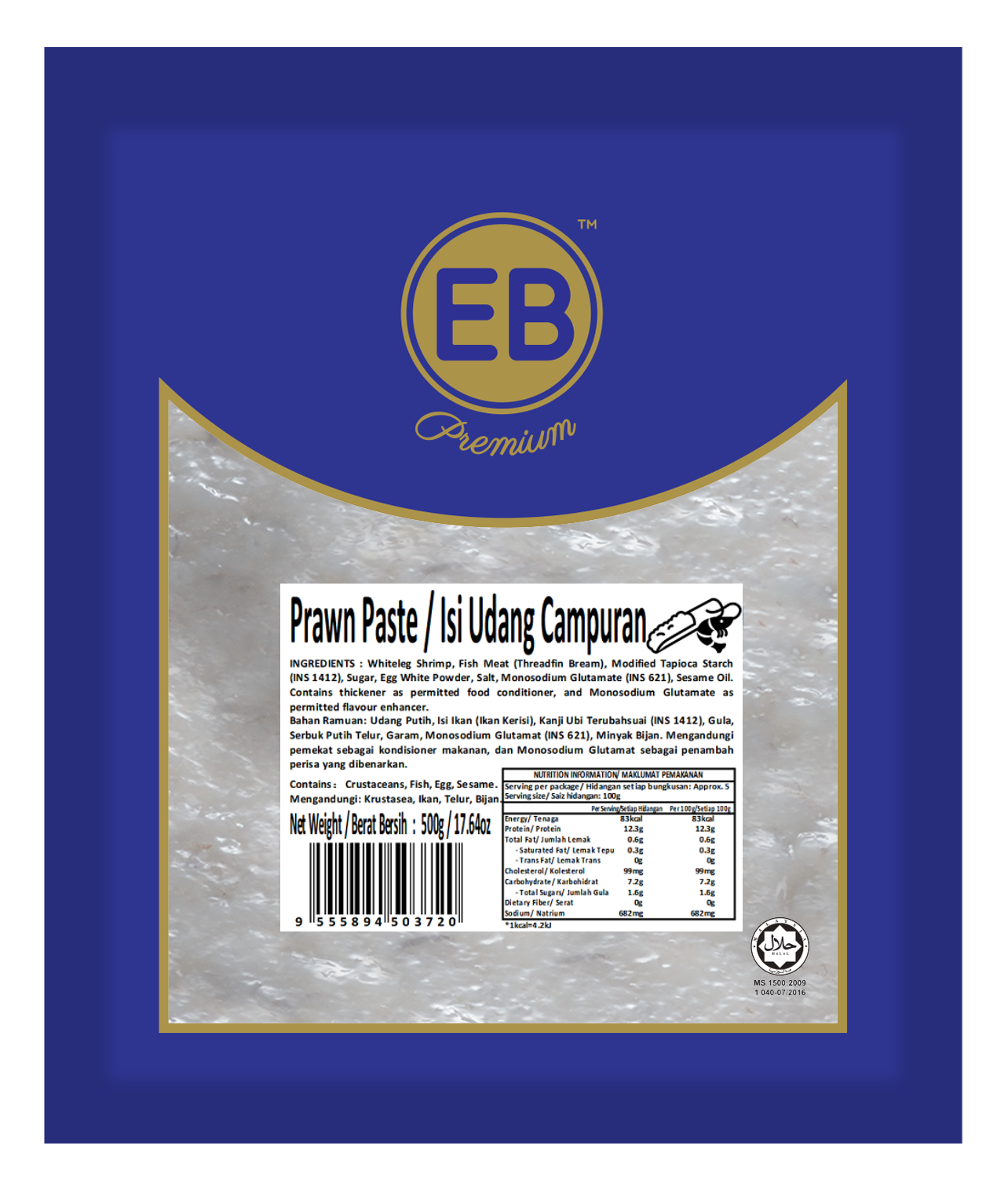
Prawn Paste
Weight / pkt : 500gm
Pkt / Ctn : 10
m3 / Ctn : 0.0106
Barcode : 95558 9450 3720
Made from big chunk of high quality prawn meat. Every bite gives a smooth and light crunchy texture with preserved prawn taste. It can be a dish by itself, complement ingredients, or blend into versatile food.
Big chunks of tiger prawn meat mixed with refreshing water chestnut and wrapped with crispy bean curd skin. Simply deep fry to golden brown and pair with any meal of your liking. Its tender, sweet and juicy texture will leave you wanting more!