Our Blogs
Interesting Tasty Facts
Air Fryer Cooking Time & Temperature Chart (Malaysia Edition – Celsius)
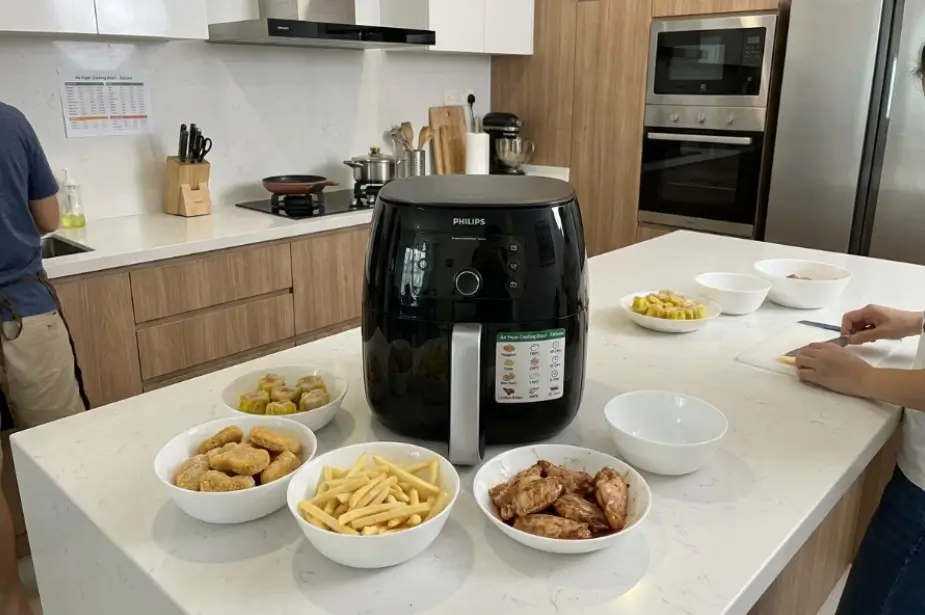
Air fryers have become a staple in Malaysian kitchens — from homes to cafés and small F&B operations. But one of the most common challenges remains:
👉 What is the correct air fryer cooking time and temperature (in °C) for different foods?
Getting this wrong can lead to:
- Undercooked food
- Over-drying or burning
- Inconsistent results (especially for frozen food)
This guide provides a complete, practical air fryer cooking chart (Malaysia edition), along with tips tailored for local ingredients and popular frozen food products.
Why Air Fryer Cooking Requires the Right Temperature & Time
Air fryers work differently from traditional frying:
- They use rapid hot air circulation
- Cooking depends on food thickness and moisture
- Different brands vary in heat distribution
Unlike deep frying, you can’t rely on “visual cues” alone — precision matters.
If you’re new, start with this detailed air fryer beginner’s guide to understand how your appliance works.
Air Fryer Cooking Time & Temperature Chart (Celsius)
Below is a general guideline for common foods in Malaysia, including frozen items.
🥟 Frozen Food (Malaysia Favourites)
Food Type | Temperature (°C) | Time (Minutes) | Notes |
Frozen nuggets | 180°C | 10–12 min | Flip halfway |
Frozen fries | 180°C | 12–15 min | Shake basket |
Spring rolls | 180°C | 10–12 min | No oil needed |
Samosa | 180°C | 10–13 min | Even spacing |
Dim sum (siu mai) | 170°C | 8–10 min | Light spray oil |
Chicken popcorn | 180°C | 10–12 min | Avoid overcrowding |
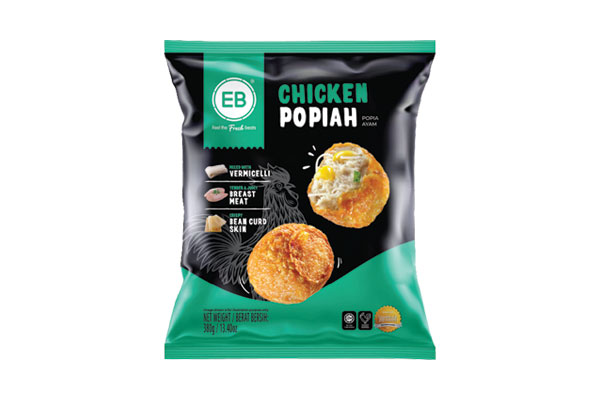
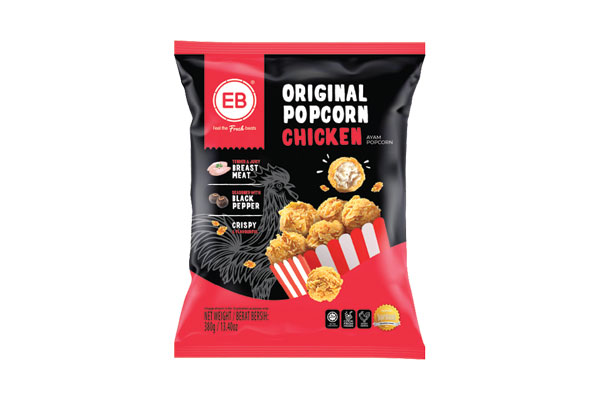
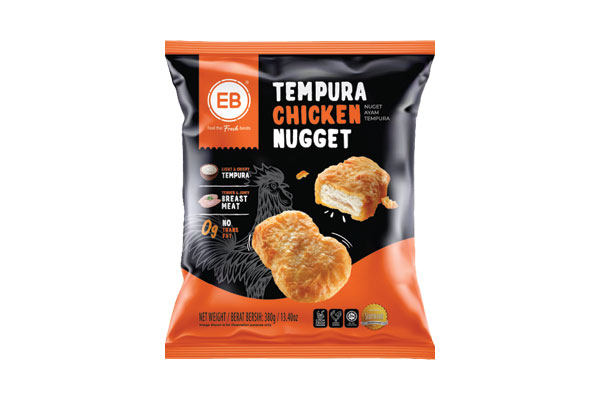
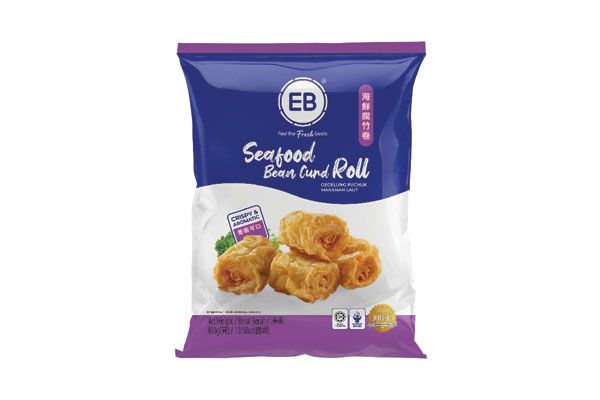
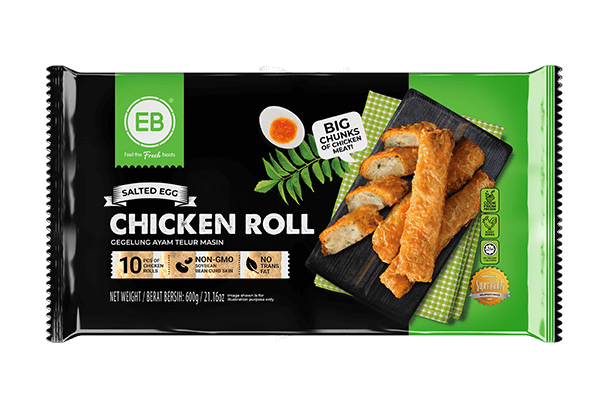
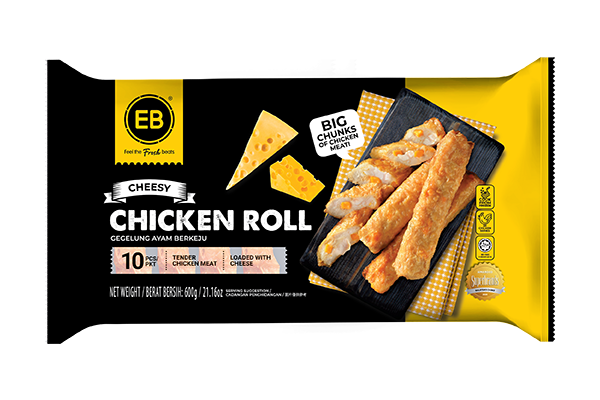
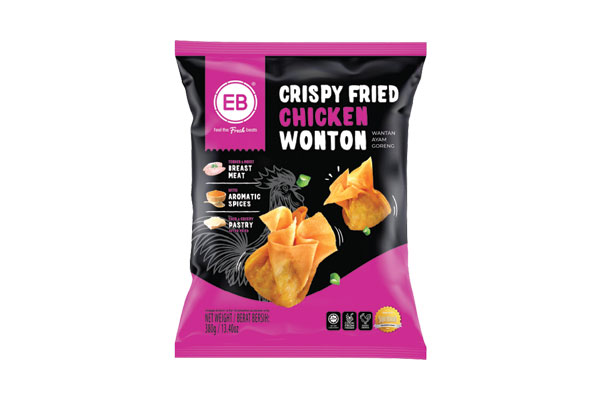
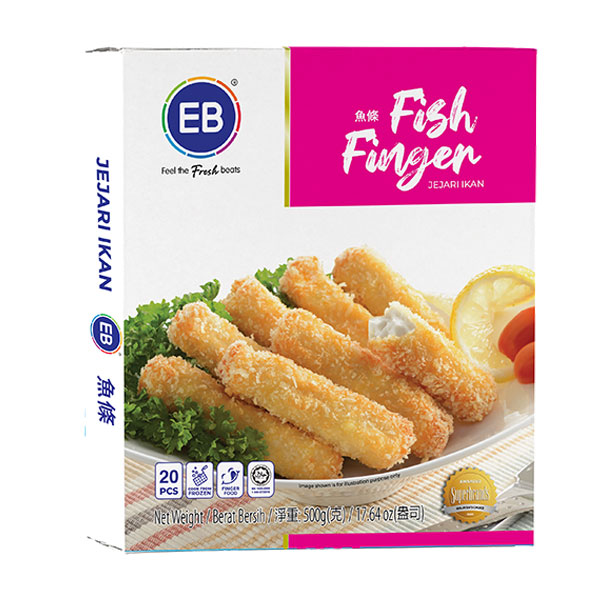
For high-quality frozen options, explore products from EB Food Malaysia, known for consistency in air fryer cooking.
🍗 Meat & Poultry
Food Type | Temperature (°C) | Time (Minutes) | Notes |
Chicken wings | 180°C | 18–22 min | Flip halfway |
Chicken breast | 180°C | 15–18 min | Avoid overcooking |
Steak | 200°C | 8–12 min | Depends on thickness |
Sausages | 180°C | 8–10 min | Turn occasionally |
🐟 Seafood
Food Type | Temperature (°C) | Time (Minutes) | Notes |
Fish fillet | 180°C | 10–12 min | Light oil coating |
Prawns | 180°C | 8–10 min | Shell-on retains moisture |
Squid | 170°C | 8–10 min | Avoid overcooking |
🥦 Vegetables
Food Type | Temperature (°C) | Time (Minutes) | Notes |
Broccoli | 180°C | 8–10 min | Toss in oil |
Carrots | 180°C | 10–12 min | Cut evenly |
Potato wedges | 180°C | 15–20 min | Shake halfway |
🍞 Snacks & Bakery
Food Type | Temperature (°C) | Time (Minutes) | Notes |
Toast | 160°C | 3–5 min | Quick check |
Puff pastry | 180°C | 10–12 min | Preheat recommended |
Frozen pastries | 180°C | 12–15 min | Follow packaging |
Key Factors That Affect Air Fryer Cooking Results
Even with a chart, results may vary due to:
1. Air Fryer Model & Size
- Smaller units cook faster
- Premium models have better airflow
2. Food Quantity
Overloading the basket:
- Blocks airflow
- Causes uneven cooking
👉 Always cook in a single layer.
3. Food Thickness
Thicker cuts require:
- Lower temperature
- Longer cooking time
4. Frozen vs Thawed
Frozen food typically:
- Requires slightly longer cooking
- Performs best without defrosting
Pro Tips for Better Air Fryer Cooking
✔️ Preheat Your Air Fryer
- 2–3 minutes at cooking temperature
- Ensures even cooking from the start
✔️ Shake or Flip Halfway
Especially for:
- Fries
- Nuggets
- Finger food
✔️ Use Light Oil Spray
Improves:
- Crispiness
- Colour
✔️ Avoid Overcrowding
This is one of the most common mistakes:
- Leads to soggy texture
- Reduces crispiness
For more practical techniques, explore these detailed air fryer cooking tips in Malaysia.
Common Air Fryer Cooking Mistakes (And Fixes)
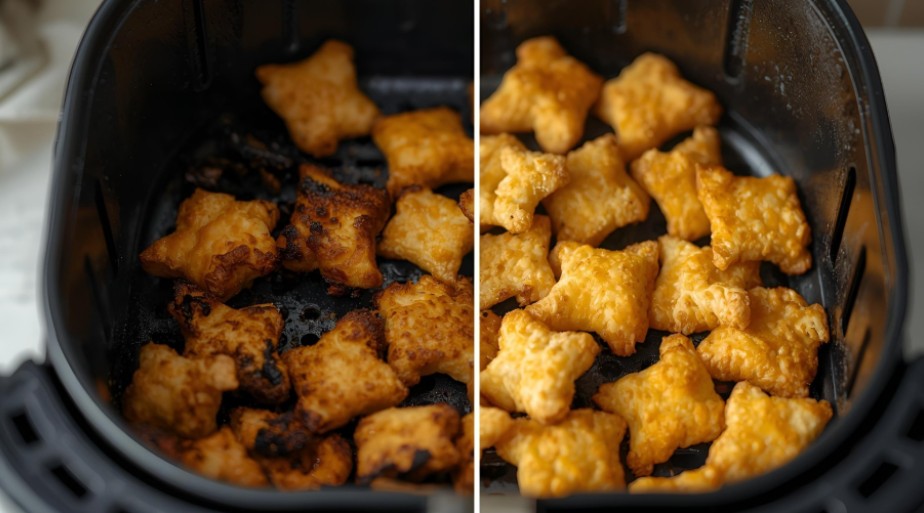
❌ Food Not Crispy
Cause: Too much moisture or overcrowding
Fix: Reduce quantity and increase temperature slightly
❌ Food Burns Too Quickly
Cause: Temperature too high
Fix: Lower temperature and extend time
❌ Uneven Cooking
Cause: No flipping or shaking
Fix: Rotate food halfway
If you encounter issues, refer to this helpful guide on troubleshooting air fryer cooking issues.
Air Fryer vs Deep Frying (Malaysia Context)
Many businesses and households are switching to air fryers for:
✔️ Health Benefits
- Up to 70–80% less oil
✔️ Cost Efficiency
- Reduced oil usage
✔️ Convenience
- Faster cleanup
For a full comparison, check this guide on air fryer vs deep frying frozen food.
Best Foods for Air Fryer Cooking in Malaysia
Air fryers perform exceptionally well with:
- Frozen finger foods
- Breaded items
- Marinated meats
- Ready-to-cook snacks
For inspiration, browse curated air fryer recipes to expand your menu or home cooking options.
Recommended Products for Air Fryer Cooking
If you’re looking for consistent results, products designed for air fryer use perform better.
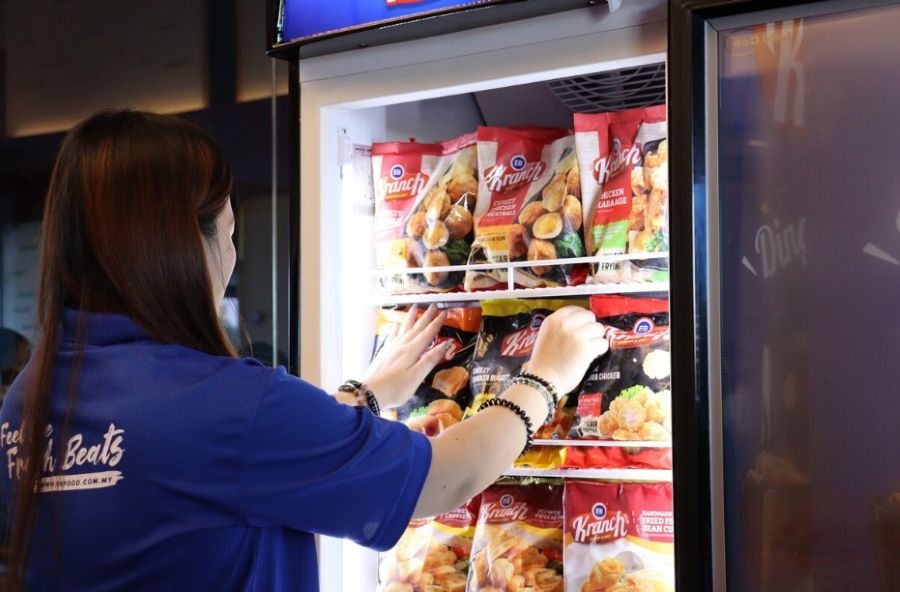
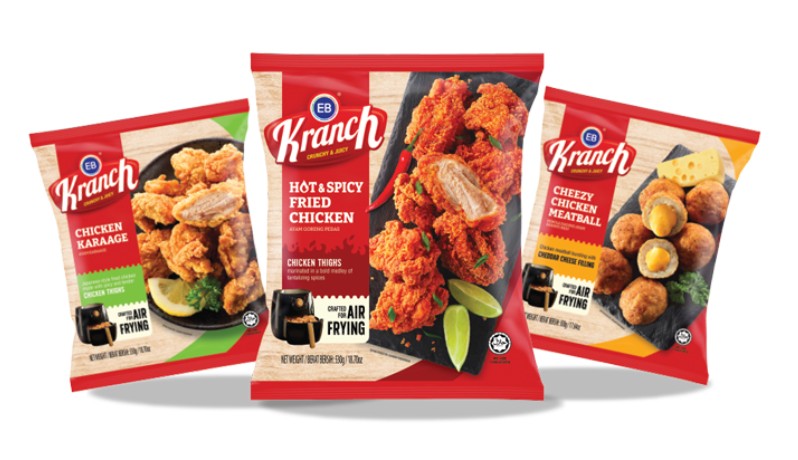
One example is EB Kranch frozen snacks, which are optimised for crispiness without excessive oil.
Beginner Tips for First-Time Users
If you’re just starting out:
- Stick to simple frozen foods
- Follow recommended time/temperature
- Avoid experimenting too early
You can also explore this beginner-friendly guide on tips for air fryer cooking beginners or even the Bahasa version on tips masak menggunakan air fryer.
Final Thoughts
Mastering air fryer cooking comes down to understanding:
- Temperature control
- Cooking time adjustments
- Food type differences
With the right approach, you can achieve:
- Crispy textures
- Consistent results
- Healthier meals
Whether you’re a home cook or an F&B operator, using a reliable air fryer cooking chart (Celsius) will significantly improve your outcomes — especially when working with frozen food in Malaysia.