Our Blogs
Interesting Tasty Facts
Halal Frozen Food in Malaysia: What to Look For Before You Buy
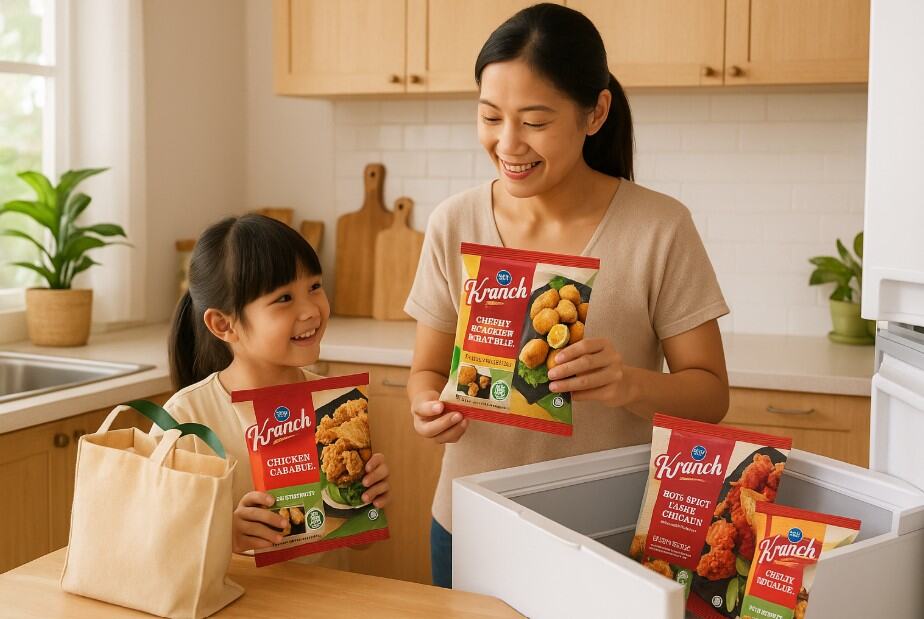
Frozen food has become an essential part of Malaysian households and businesses. From quick family dinners to large catering events, it provides the convenience of longer shelf life, reliable quality, and wide variety.
But when it comes to halal frozen food, there are additional factors to consider. For Muslim consumers, halal assurance is not just about food preference—it’s a matter of faith, lifestyle, and trust.
Whether you are a parent stocking up the freezer, a restaurant sourcing ingredients, or a distributor looking for a reliable frozen food supplier in Malaysia, knowing what to look for before buying halal frozen products is crucial.
Why Halal Certification Matters in Frozen Food
The halal symbol is more than just a logo on packaging—it represents compliance with Islamic dietary laws and strict food safety standards. When shopping for halal frozen food, always ensure the product carries an authentic halal certification from JAKIM (Department of Islamic Development Malaysia).
This guarantees that:
- The food is prepared and stored in halal-compliant facilities.
- Ingredients and additives used are permissible.
- The production process avoids cross-contamination with non-halal items.
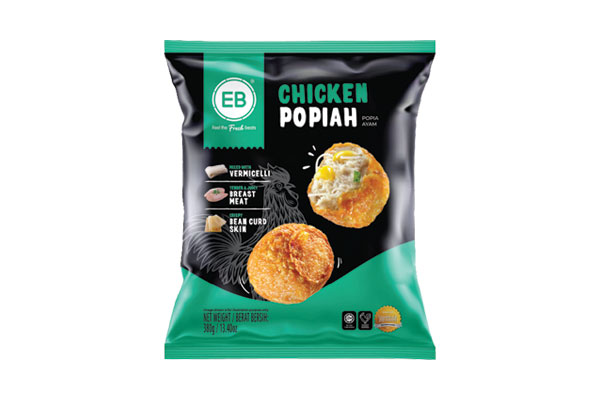
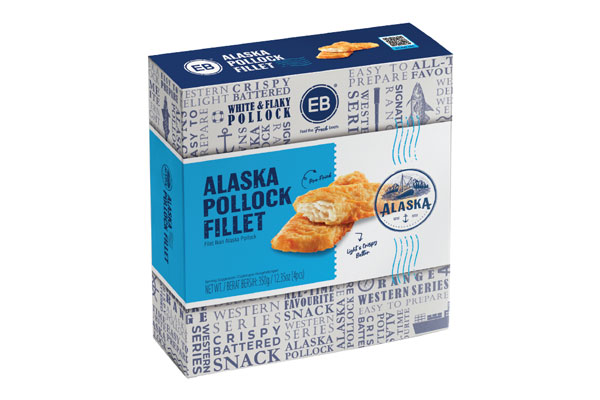
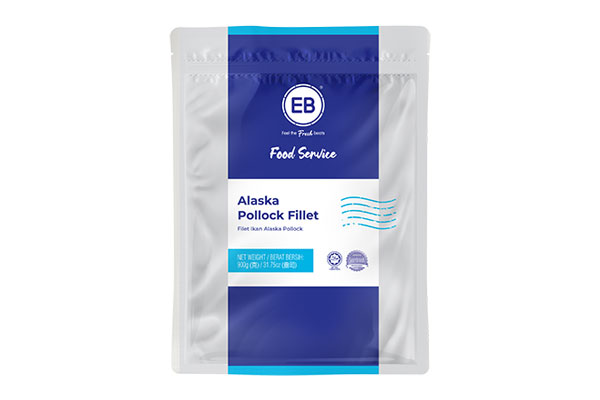
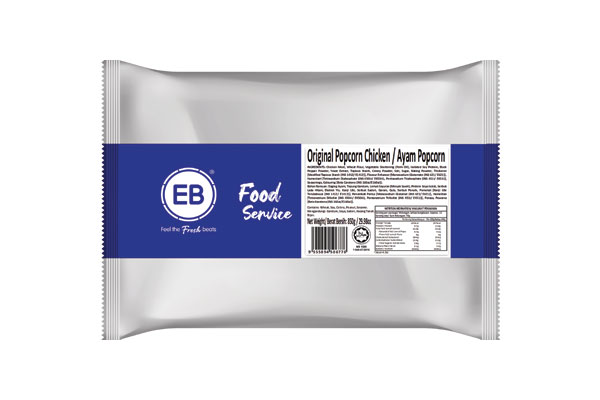
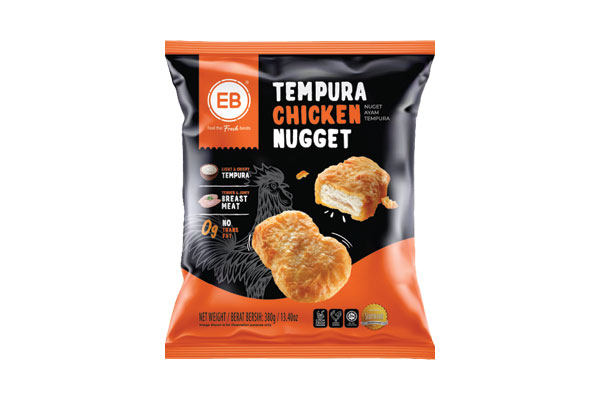
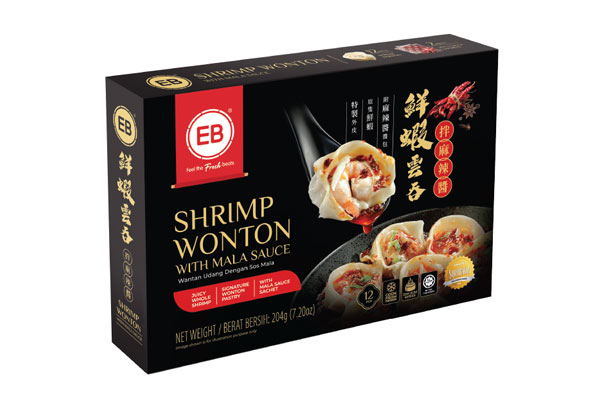
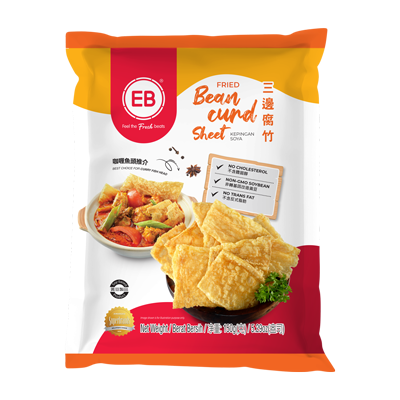
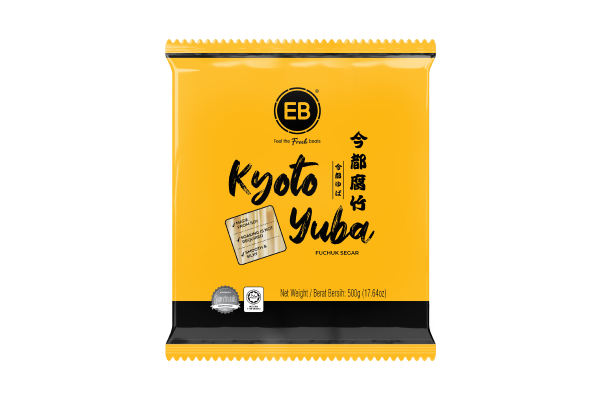
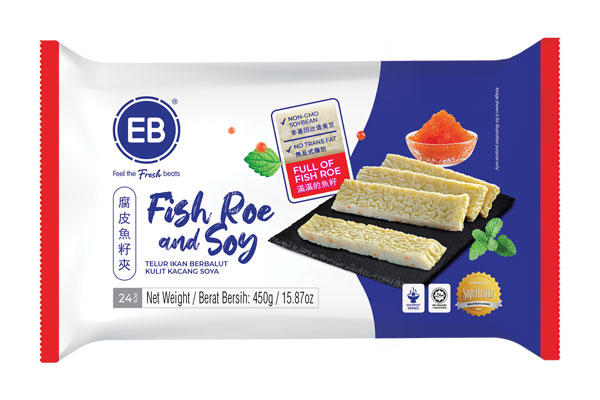
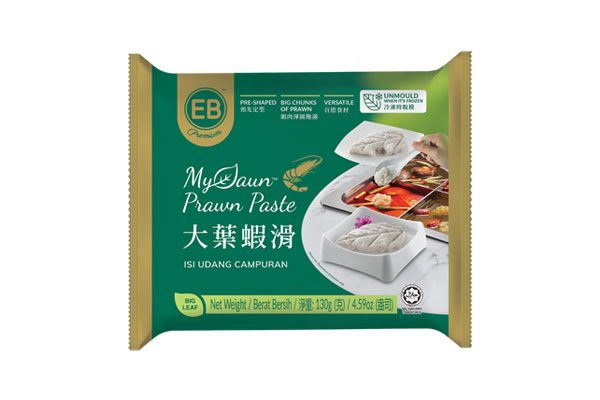
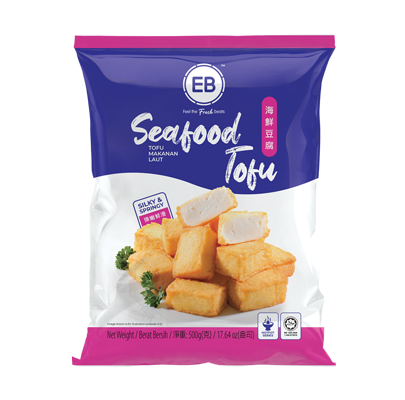
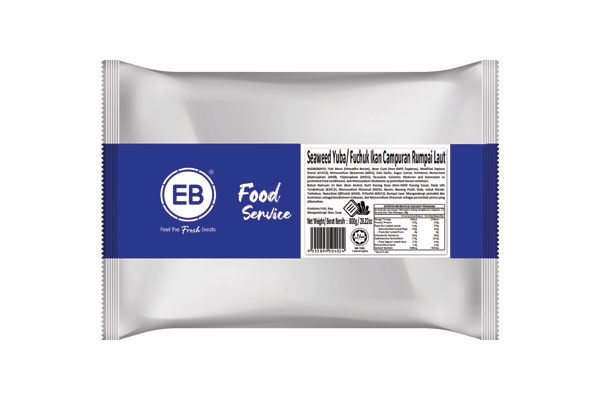
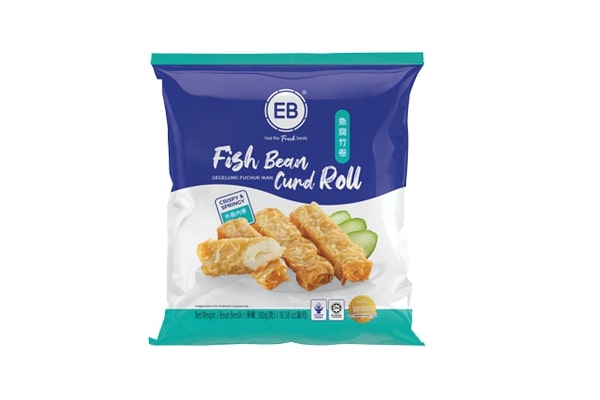
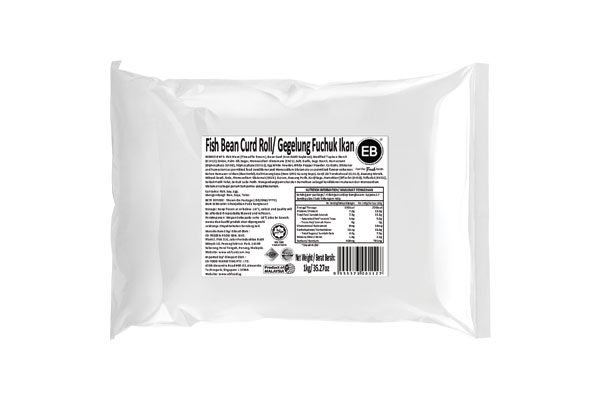
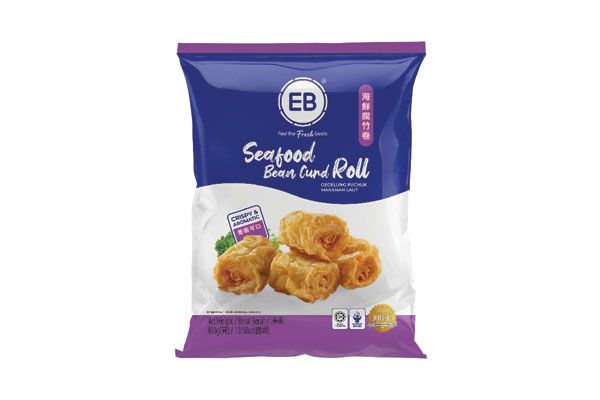
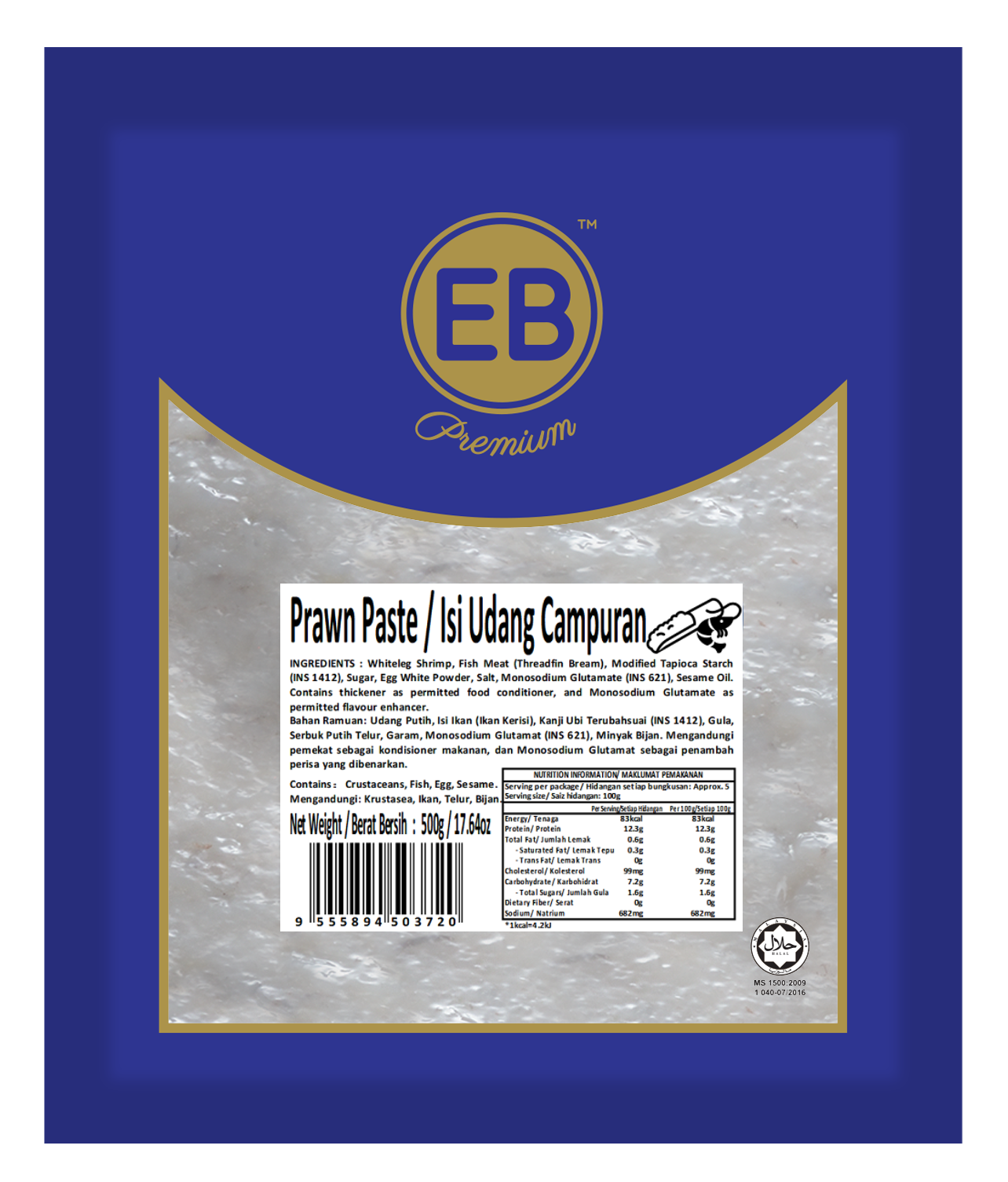
At EB Frozen Food, halal assurance is a top priority, ensuring that every product—from seafood to snacks—is safe, reliable, and trusted by Malaysian families.
Variety of Halal Frozen Food Available in Malaysia
One of the best parts about Malaysia’s frozen food industry is the sheer variety available. Today, halal frozen food is not limited to basic staples—it includes everything from snacks to ready-to-cook meals.
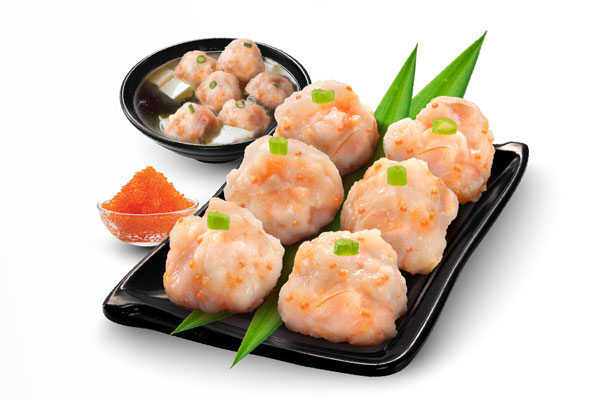
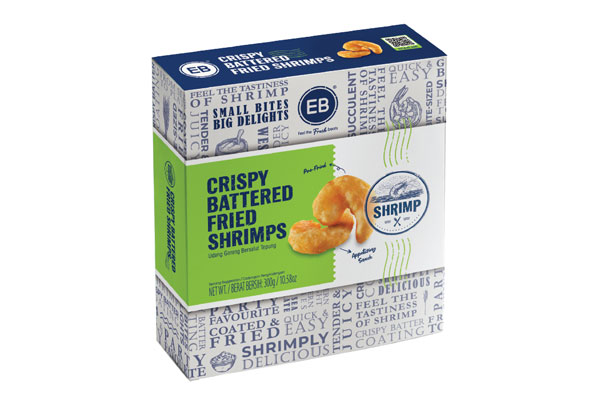
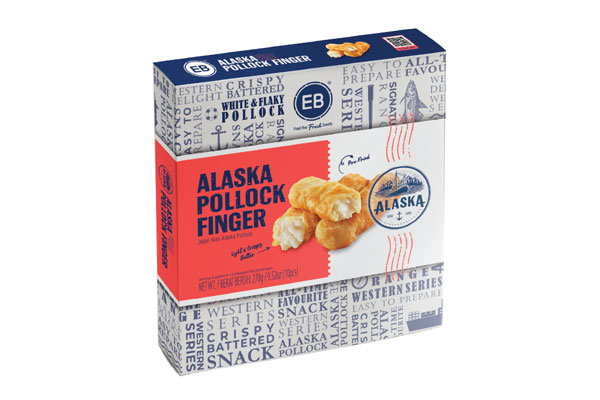
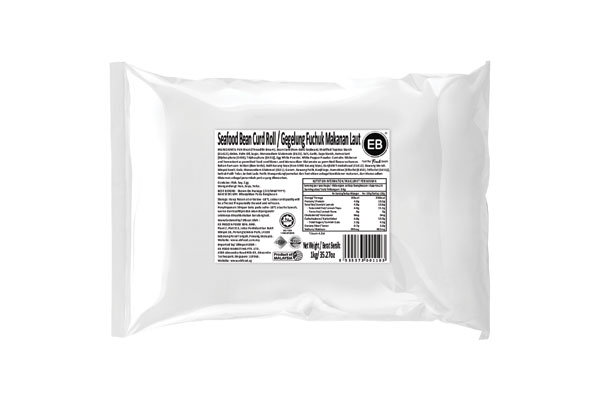
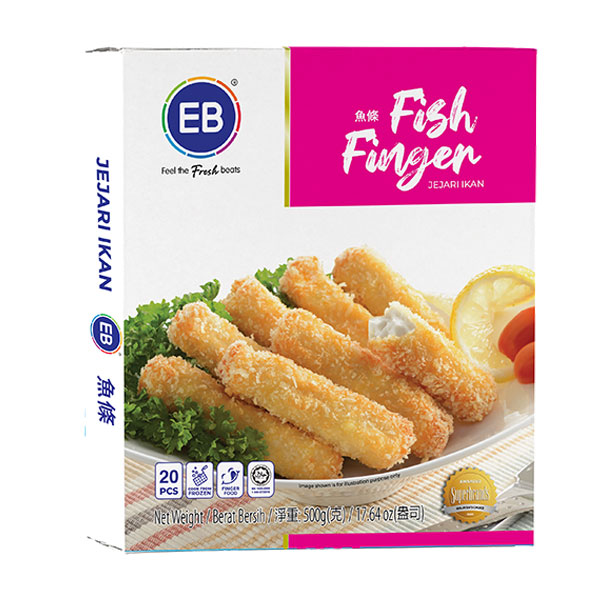
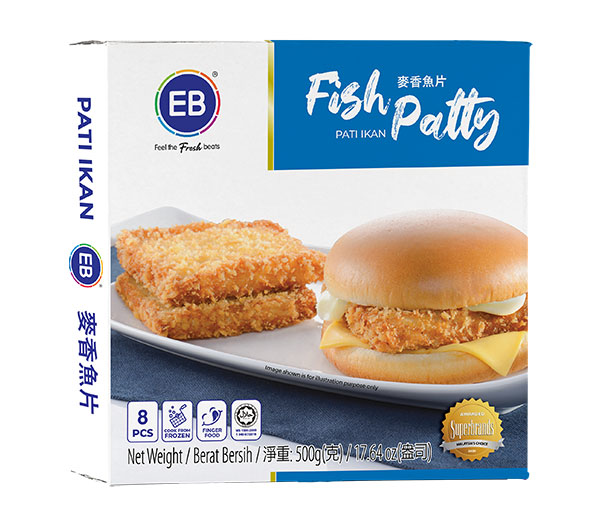
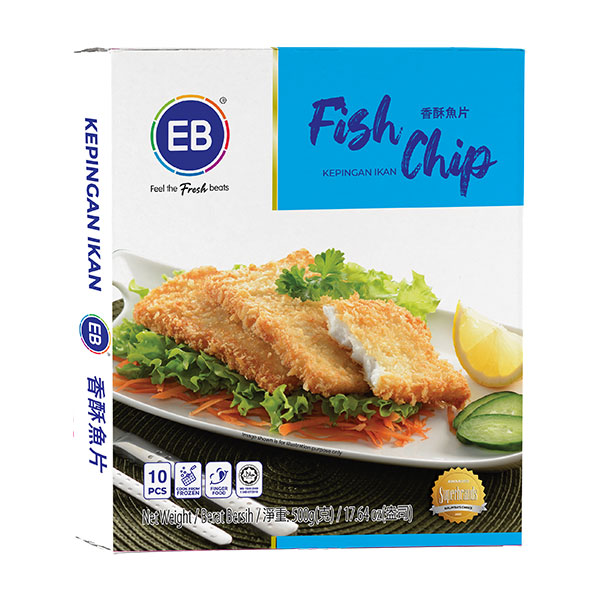
- Seafood Series – Prawns, squid, and fish fillets that stay fresh longer.
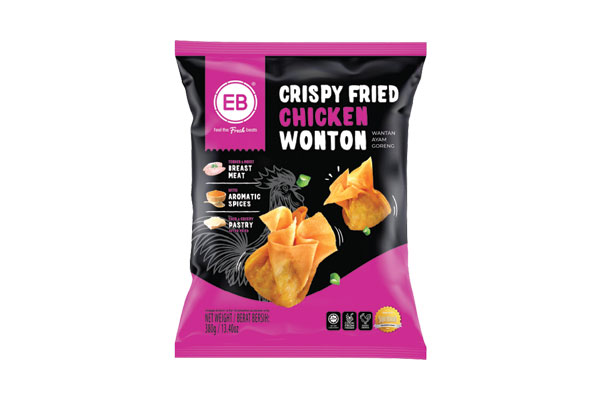
- Dim Sum & Snacks – A growing range of dim sum halal frozen options such as dumplings, buns, and rolls.
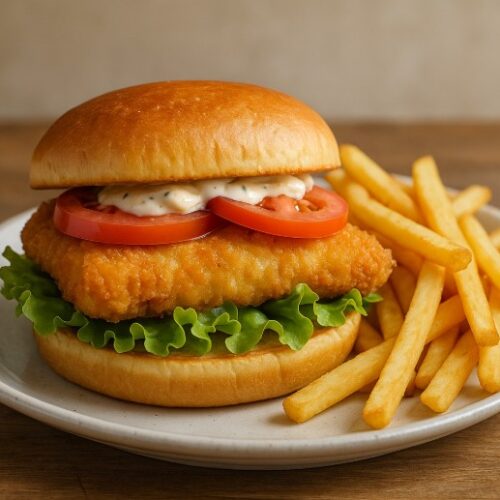
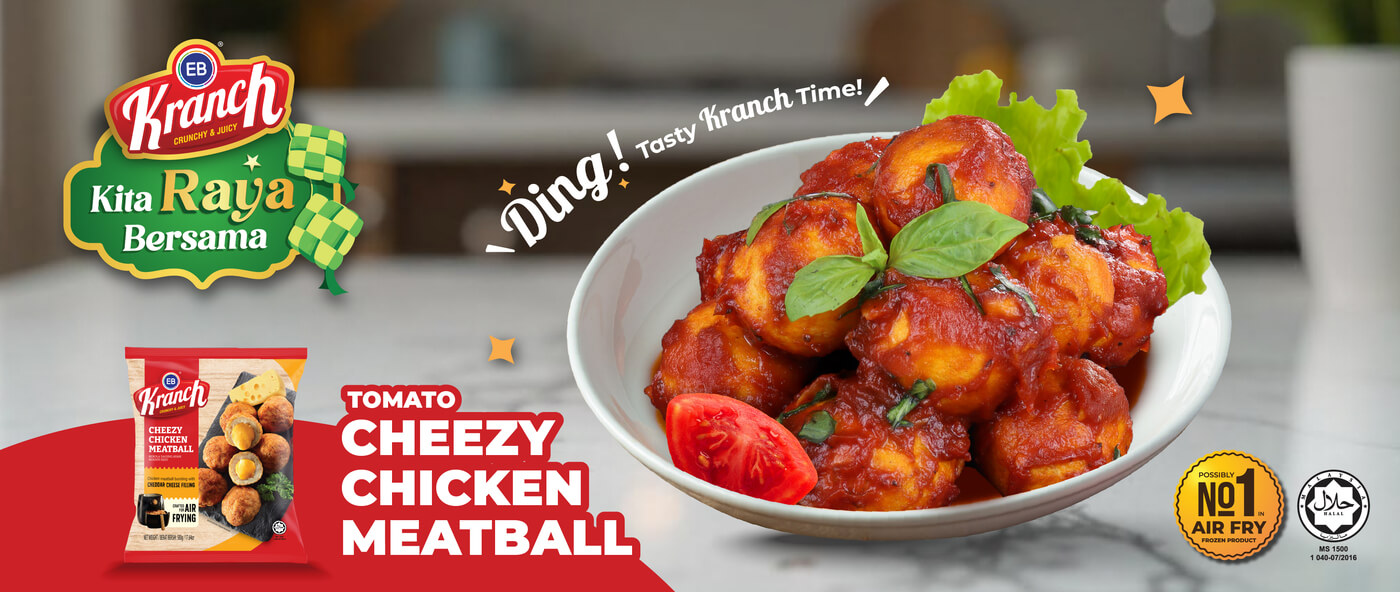
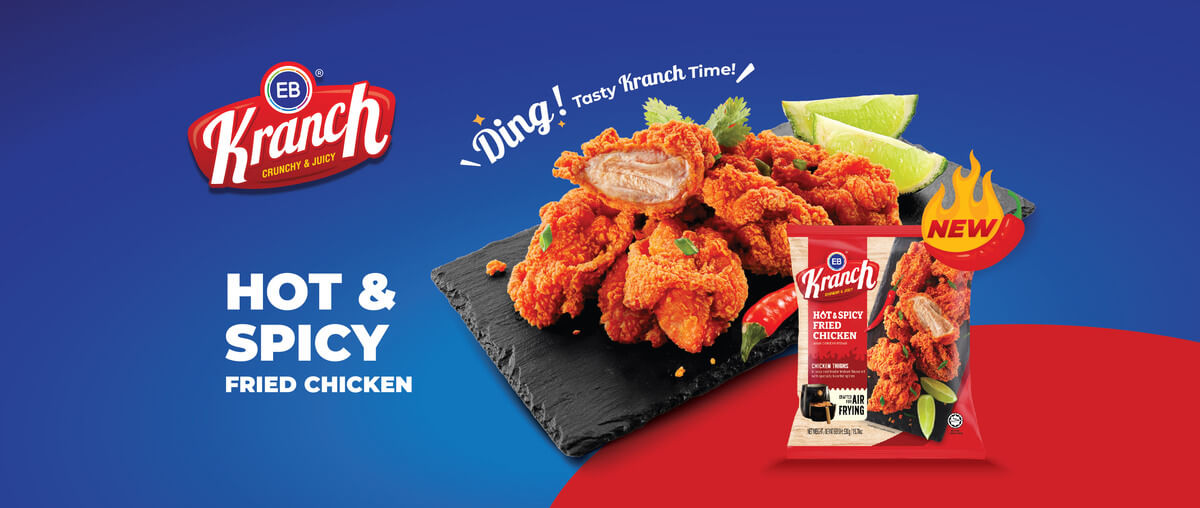
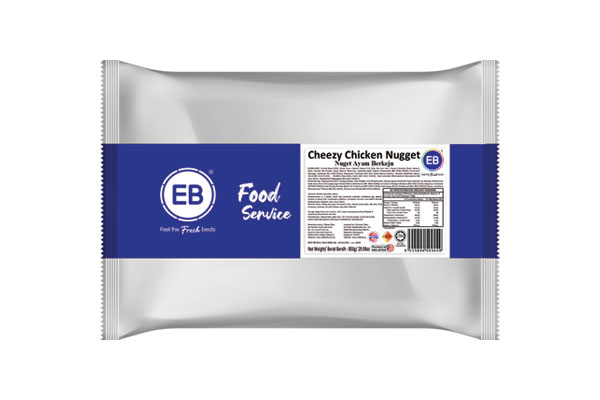
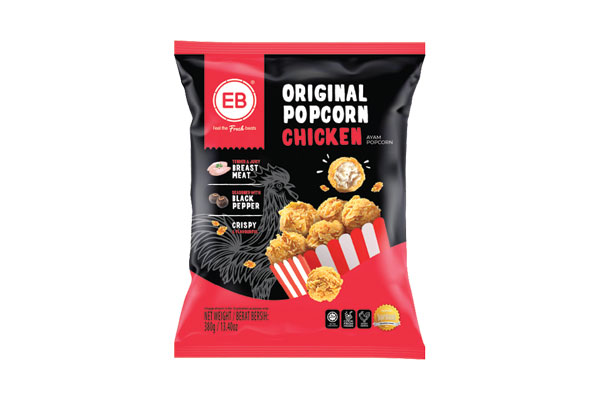
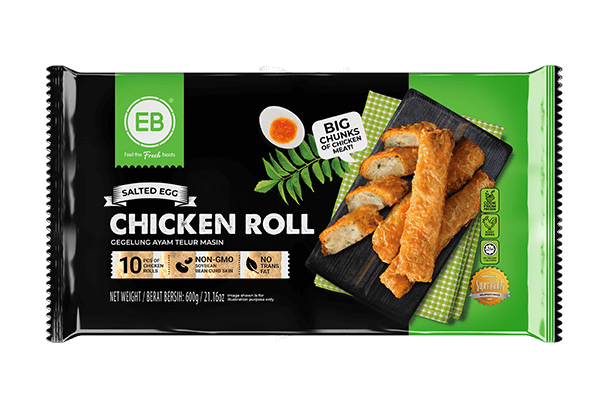
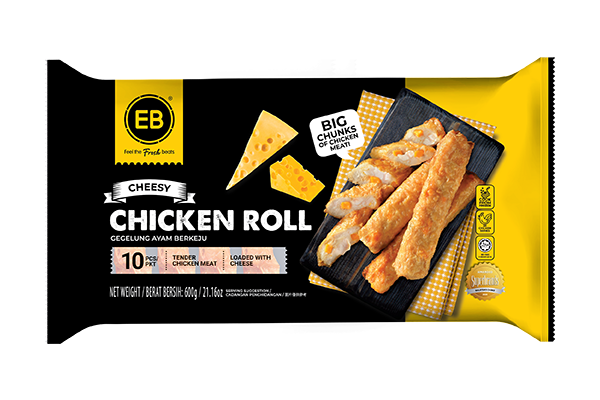
- Chicken & Meat Products – Nuggets, meatballs, and wings that are perfect for families and parties.
- Hot Pot & Oden Ingredients – Ideal for gatherings; see our easy halal oden recipe for inspiration.
This wide range makes halal frozen food a versatile choice for daily meals, festive events, and even business catering.
How to Identify a Reliable Frozen Food Supplier in Malaysia
Choosing a trusted frozen food supplier in Malaysia ensures that you get consistent quality and halal assurance. Here are some things to look for:
- Halal Certification Transparency – Suppliers should clearly display certification details.
- Product Range – A good supplier offers diverse frozen food options, including seafood, poultry, snacks, and dim sum.
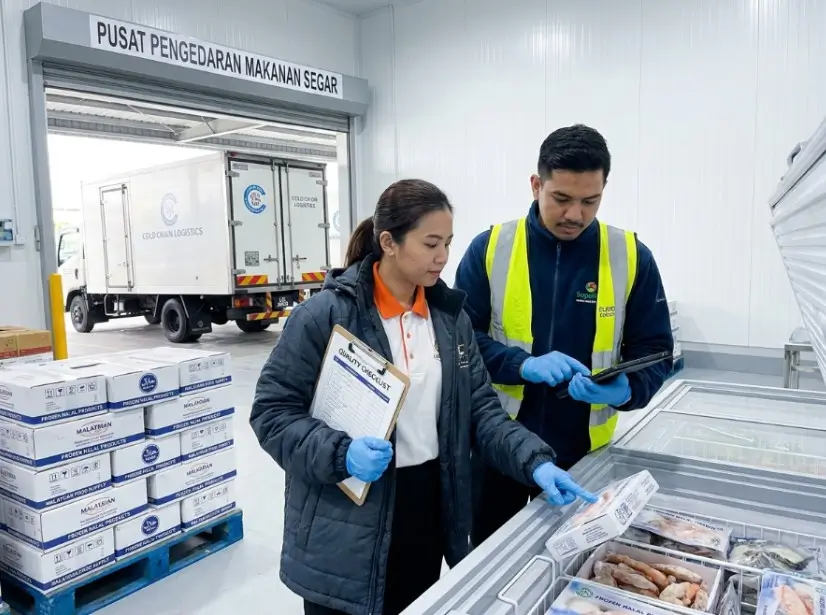
- Distribution Capability – For businesses, the supplier should have a reliable distribution network to maintain freshness.
- Experience & Reputation – Established companies with years of service often have better quality assurance systems.
EB Frozen Food has been a trusted name for decades, supplying halal-certified products across Malaysia and internationally. Learn more about our story here.

Things to Check Before Buying Halal Frozen Food
Before adding a pack to your shopping cart, here are important points to consider:
- Check the Halal Logo – Ensure it’s recognized by JAKIM.
- Inspect Packaging – Look for intact, sealed packaging to ensure hygiene.
- Read Labels Carefully – Ingredient lists and expiry dates are key.
- Storage Instructions – Confirm the product was stored at the correct temperature.
- Trusted Brands – Stick with established halal-certified brands for consistency.
By paying attention to these details, you’ll avoid counterfeit products and guarantee your family’s meals are halal-compliant.
Why Halal Frozen Dim Sum Is Growing in Popularity
Dim sum is traditionally associated with Chinese cuisine, but today, halal-certified versions are enjoyed by all Malaysians. The growing demand for dim sum halal frozen products reflects how consumers want authentic flavors that align with halal standards.
From dumplings to buns, these frozen dim sum items are quick to prepare and perfect for both home dining and food service businesses. See our guide to halal dim sum suppliers in Malaysia for more.
Frozen Food for Everyday Malaysian Life
Halal frozen food is not just about convenience—it’s about fitting into everyday life in Malaysia:
- For Families – Parents can prepare meals quickly without compromising on halal quality.
- For Businesses – Restaurants and caterers can manage stock efficiently while ensuring consistent taste.
- For Special Occasions – Hosting a dinner party? Frozen options make it easier. See our halal dinner party tips to plan stress-free gatherings.
For even more inspiration, explore halal frozen chicken products that are versatile and suitable for different recipes.
Must-Have Halal Frozen Staples in Every Malaysian Freezer
To make daily cooking easier, here are halal frozen staples worth keeping in stock:
- Seafood packs – prawns, squid, and fish fillets.
- Chicken snacks – nuggets, meatballs, wings.
- Dim sum – dumplings, buns, spring rolls.
- Hotpot ingredients – fish balls, crab sticks, and oden packs.
Explore the variety of makanan sejuk beku available for both households and businesses.
Conclusion
Halal frozen food has transformed the way Malaysians eat—offering convenience, variety, and assurance of halal compliance. Whether you are shopping for your family or sourcing for your business, knowing what to look for ensures every meal is safe, trustworthy, and satisfying.
As a leading frozen food supplier in Malaysia, EB Frozen Food continues to provide halal-certified products that cater to diverse tastes, from seafood and chicken to dim sum halal frozen delights.
The next time you open your freezer, you can be confident that every pack you choose is part of a halal, reliable, and sustainable food future.